Countries that no longer exist
Forty years ago the Soviet Union, Yugoslavia and Czechoslovakia were all on the map. Countries break up, join together and get taken over by their neighbours. Here are 18 that no longer exist, newest first, each with the countries it became.
Timeline
18 countries gone from the map
Scroll back through time, or tap a name to jump to it. The map follows along and lights up the countries each one became.
What was left of Yugoslavia renamed itself Serbia and Montenegro in 2003. Three years later Montenegro voted to leave. Kosovo, then run by the UN, declared its own independence from Serbia in 2008.
 Serbia
 Montenegro
 Kosovo
Czechs and Slovaks shared one country for most of the 20th century. They split peacefully at midnight on 31 December 1992, and people still call it the Velvet Divorce.
 Czechia
 Slovakia
The land of the South Slavs broke apart in a series of wars. Slovenia, Croatia and North Macedonia declared independence in 1991, and Bosnia and Herzegovina in 1992. Serbia and Montenegro kept the name Yugoslavia until 2003.
 Slovenia
 Croatia
 Bosnia and Herzegovina
 North Macedonia
- Serbia
- Montenegro
- Kosovo
The Soviet Union covered a sixth of the world’s land. It broke up into 15 countries in December 1991, and Russia is by far the biggest of them.
 Russia
 Ukraine
 Belarus
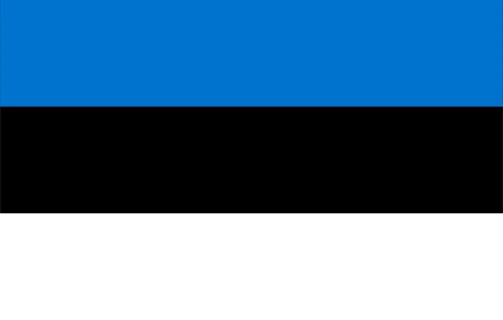 Estonia
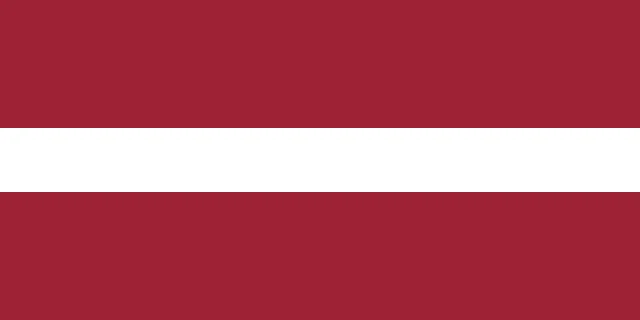 Latvia
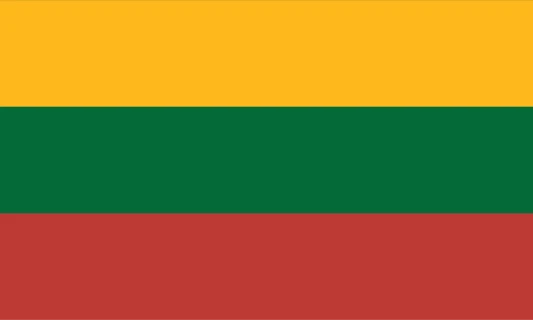 Lithuania
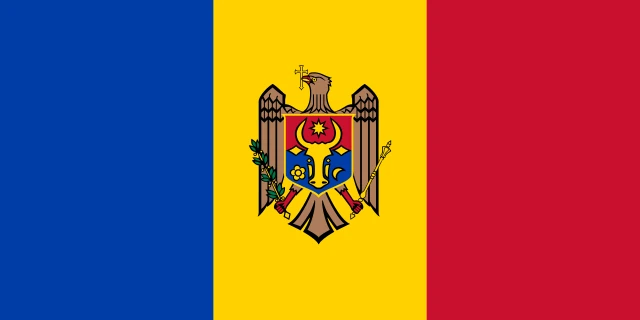 Moldova
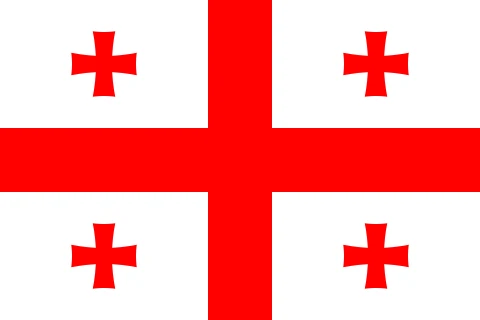 Georgia
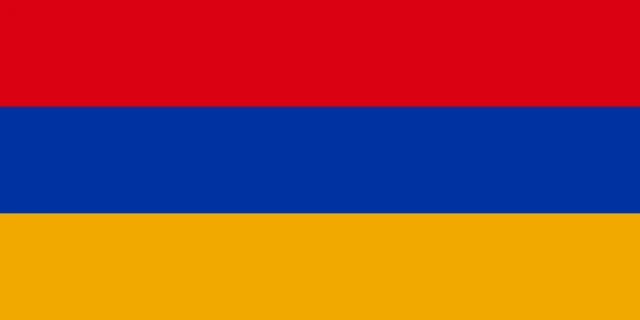 Armenia
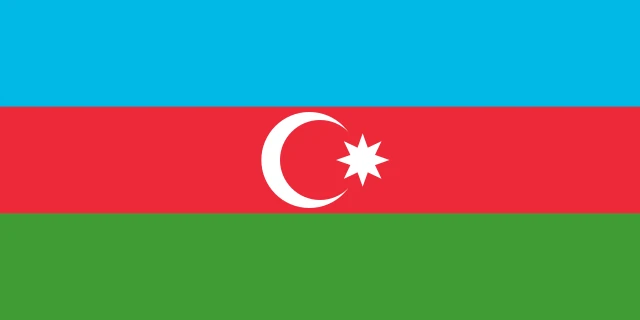 Azerbaijan
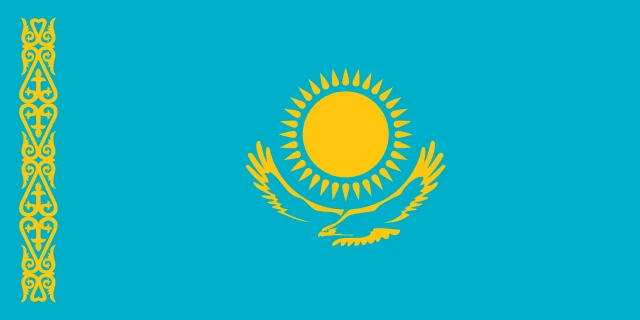 Kazakhstan
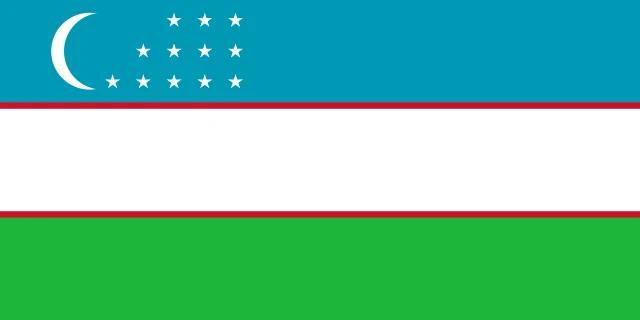 Uzbekistan
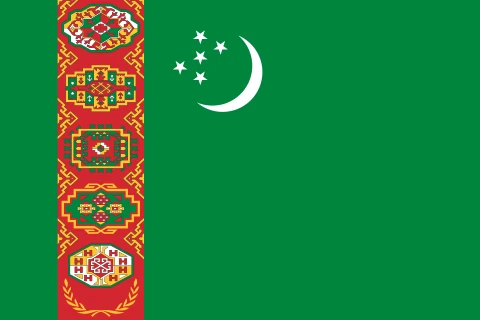 Turkmenistan
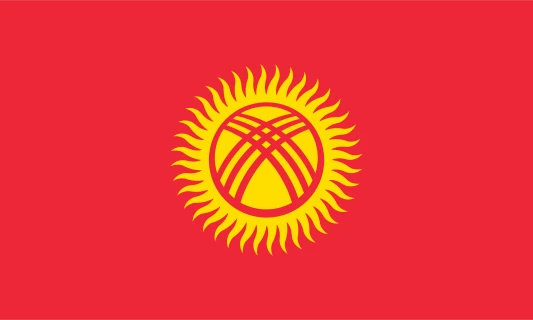 Kyrgyzstan
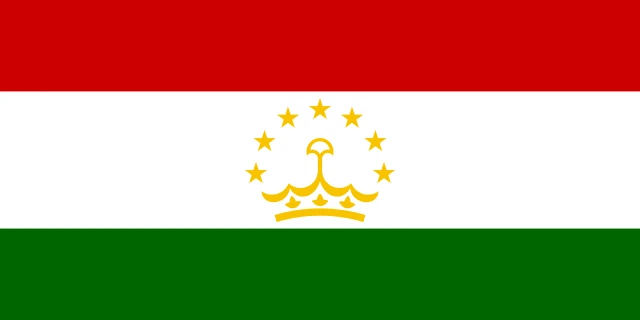 Tajikistan
After the Second World War, Germany was split in two. The Berlin Wall fell in 1989, and East Germany joined West Germany as one country on 3 October 1990.
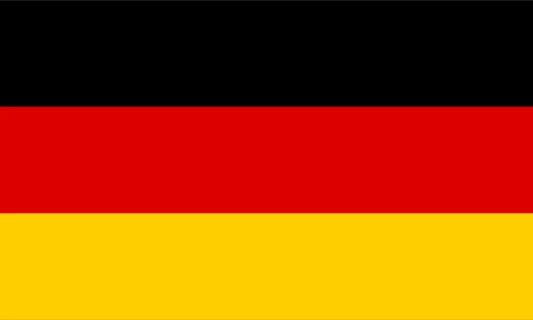 Germany
North Yemen became a republic in 1962, and South Yemen won its independence from Britain in 1967. The two joined to become one country, Yemen, on 22 May 1990.
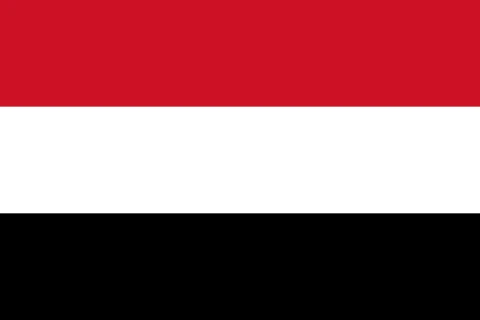 Yemen
The South fought the communist North for 20 years in the Vietnam War. Saigon fell in 1975, and the two were made one country in 1976. Saigon is now Ho Chi Minh City.
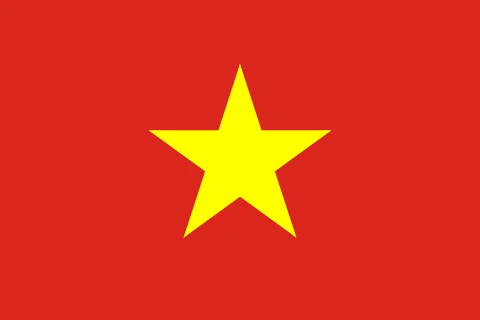 Vietnam
A small Himalayan kingdom between Nepal and Bhutan, ruled by its own kings for more than 300 years. In 1975 it voted to become a state of India.
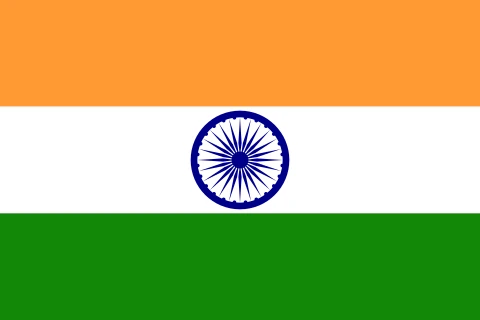 India
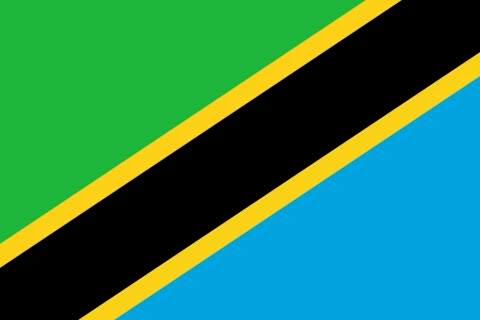
Tanganyika, on the mainland, and the islands of Zanzibar joined as one country in 1964. Its name, Tanzania, is the two names put together.
 Tanzania
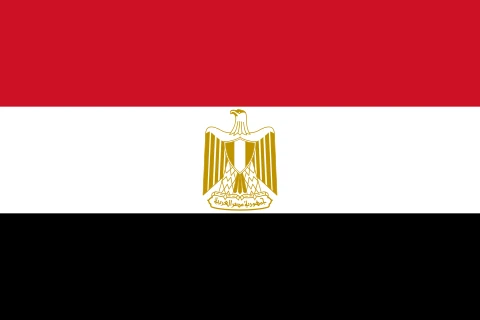
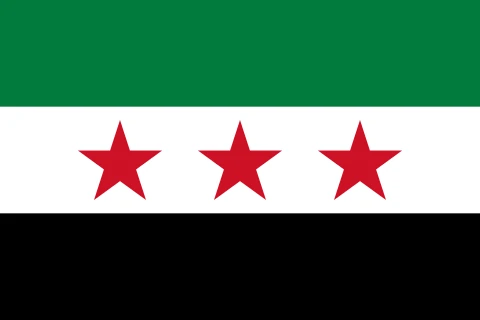
Egypt and Syria joined as one country in 1958. Syria left after three and a half years, though Egypt kept the name until 1971.
 Egypt
 Syria
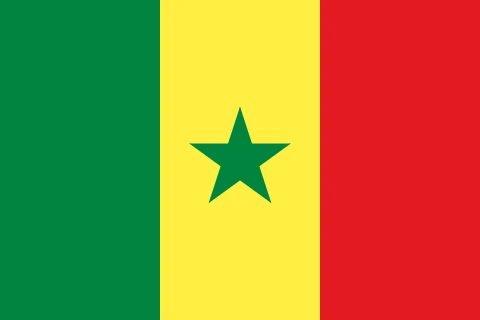
Senegal and what is now Mali joined together and became independent from France in June 1960. Senegal left two months later.
 Senegal
 Mali
Newfoundland ran its own affairs as a dominion of the British Empire, like Canada next door. In 1949, after a close vote, it joined Canada as its tenth province.
 Canada
An empire of two kingdoms under one emperor in Vienna. It fell apart at the end of the First World War, and its lands are now in 13 countries.
 Austria
 Hungary
- Czechia
- Slovakia
- Slovenia
- Croatia
- Bosnia and Herzegovina
 Poland
- Ukraine
 Romania
 Italy
- Serbia
- Montenegro
Korea’s king declared it an empire in 1897. Japan took it over in 1910, and after 1945 it was split into North and South Korea.
 North Korea
 South Korea
Kamehameha I brought all the islands under one king in 1810. American businessmen overthrew Queen Liliʻuokalani in 1893, and the United States took the islands in 1898.
 United States
Texas broke away from Mexico in 1836 and was a country of its own for almost ten years, before it joined the United States in 1845.
- United States
Five provinces that had broken away from Spain and Mexico formed one republic in 1823. It came apart in civil wars, and by 1840 each had gone its own way.
 Guatemala
 El Salvador
 Honduras
 Nicaragua
 Costa Rica
Simón Bolívar’s republic covered what are now Colombia, Venezuela, Ecuador and Panama. Venezuela and Ecuador broke away in 1829 and 1830, and Panama left Colombia in 1903.
 Colombia
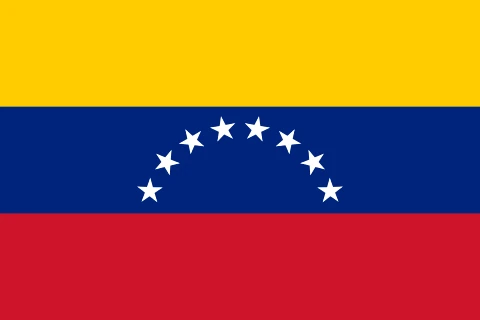 Venezuela
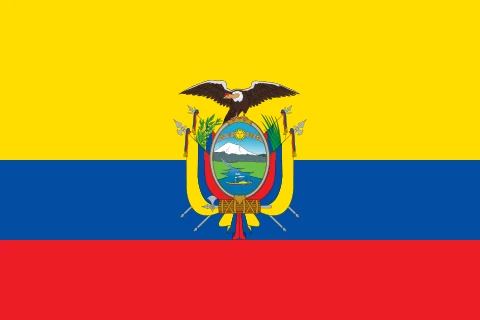 Ecuador
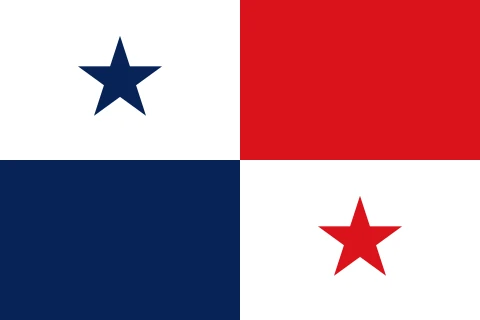 Panama
Questions
What people ask about countries that no longer exist
Serbia and Montenegro, in 2006, when Montenegro voted to leave. No country has disappeared since.
Fifteen: Russia, Ukraine, Belarus, Moldova, the three Baltic states (Estonia, Latvia and Lithuania), the three in the Caucasus (Georgia, Armenia and Azerbaijan), and the five in Central Asia (Kazakhstan, Uzbekistan, Turkmenistan, Kyrgyzstan and Tajikistan).
Slovenia, Croatia, Bosnia and Herzegovina, North Macedonia, Serbia and Montenegro, and Kosovo, though not every country recognises Kosovo’s independence.
South Sudan, which became independent from Sudan in 2011. Sudan is still there, so it isn’t on this list.
Bougainville, an island of Papua New Guinea, voted for independence in 2019, but Papua New Guinea’s parliament still has to agree to it.
No. Burma is now called Myanmar and Swaziland is Eswatini, but each is still the same country with a new name. Those are on the page about countries that changed their names.
More
Today’s map
Most of these countries are on today’s map under other names. Here’s where you can practise finding them.
More from the Atlas
Keep reading
Each of these is another page about the world map and the countries on it.