The flag of Ecuador
South America · Quito
- yellow47%
- red26%
- blue22%
- 8 more in small details
Birds. Only 15 flags have one.
One plate per main colour.
Tap the flag to put it back together.
Investigation
Ecuador: a condor over Chimborazo
Ecuador’s coat of arms holds a whole landscape, down to a steamship on a river, with a condor on top. Tap each step to build the flag up from the decree of 1900 that sets it out.


On 26 September 1860, President Gabriel García Moreno brought back the yellow, blue and red of Gran Colombia, the union Ecuador had been part of after independence. That day is now Ecuador’s Flag Day. A decree of 31 October 1900 set the colours in stripes in that order from the top, with the yellow twice as wide as each of the others. So the yellow takes half the height, and the blue and the red a quarter each.
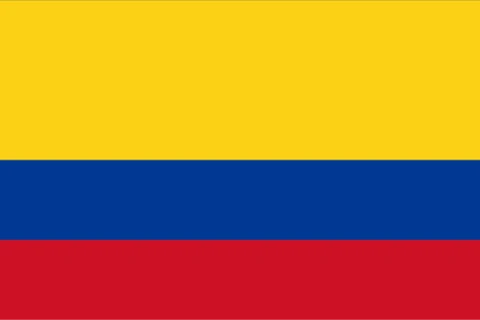
The 1900 decree puts the coat of arms in the middle, over the yellow and the blue. With the yellow taking half the flag, the middle, where the dashed lines cross, falls right on the edge between the two. The coat of arms is only for the state’s own flags, like those on government buildings, warships and embassies: merchant ships and private people fly the flag plain. Plain, it looks almost the same as Colombia’s, and no flag in this Atlas is closer to Ecuador’s.
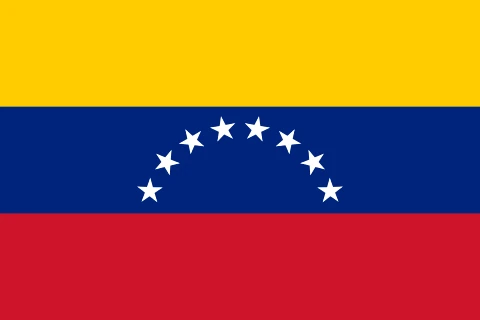
Venezuela’s flag has the same three colours, but its stripes are all the same width, and this Atlas doesn’t find it close enough to Ecuador’s to count as a look-alike.
The decree sums up the whole coat of arms in three sentences, and it starts with an oval with the sun at the top. On a silver band either side of it are the zodiac signs of four “memorable months”, March to June: from left to right, Aries, Taurus, Gemini and Cancer. Neither the decree nor the fuller description Congress approved in 2003 says which events those months stand for, but Ecuador’s National Assembly says they’re the months of the fight against Juan José Flores, whose rule ended in 1845.
Under the sun stands Chimborazo, the highest mountain in Ecuador, over 6200 metres tall. A river rises from its everlasting snows and widens until it fills the bottom of the oval, and the 2003 description says it stands for the Guayas. The green banks on either side stand for the country’s farming.
Where the river runs fullest, the decree puts a steamship with a caduceus for a mast, as a sign of sailing and trade. The 2003 description says it’s the Guayas, the first steamship built in South America, at Guayaquil’s shipyards in 1841. The caduceus is a staff with two snakes wound round it and two white wings on top, and the ship is painted in the flag’s own yellow, blue and red.
Four of Ecuador’s flags stand round the oval, two on each side, with a branch of laurel for glory and one of palm for peace. Under the oval is a bundle of rods round an axe, called the fasces, which the decree makes the sign of the republic’s dignity. The 2003 description adds that it was the badge of the consuls of ancient Rome.
Last of all, the decree crowns the oval with a condor, its wings spread, and the 2003 description calls it a sign of energy and effort. It’s big enough to count as the flag’s main figure, which makes Ecuador’s one of just 15 flags whose main figure is a bird. And with the whole coat of arms in place, it’s easy to tell from Colombia’s.
Flags that look like it
You’ll find Ecuador on these lists
Each one opens the list.
More flags taken apart in the Americas
Each card opens that flag, taken apart step by step.
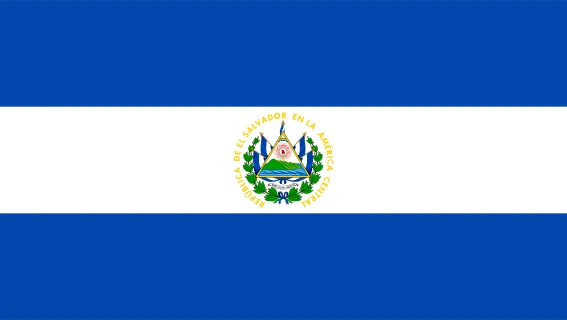
- El SalvadorEl Salvador: fourteen sprigs of laurel
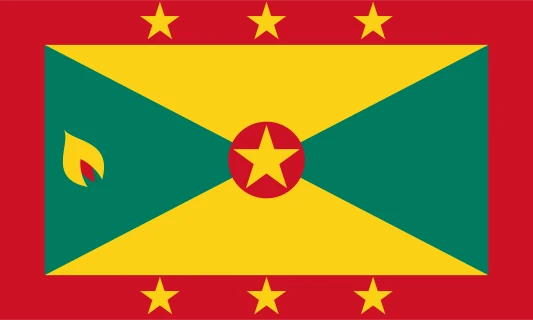
- GrenadaGrenada: triangles that aren’t equilateral
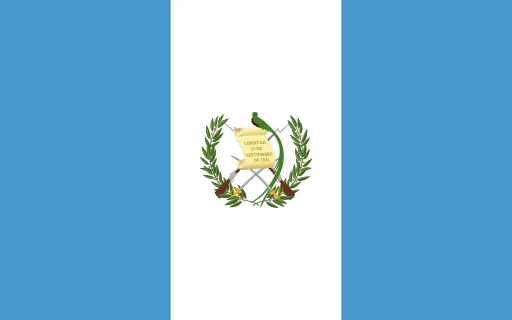
- GuatemalaGuatemala: the quetzal on the scroll
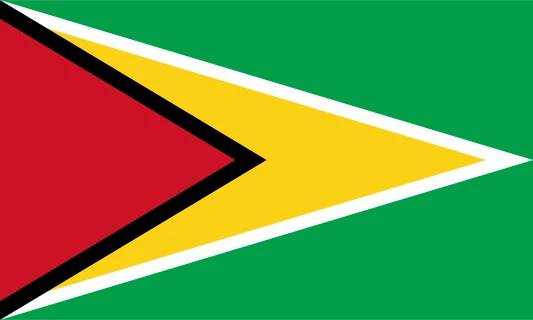
- GuyanaGuyana: a flag in one sentence of heraldry
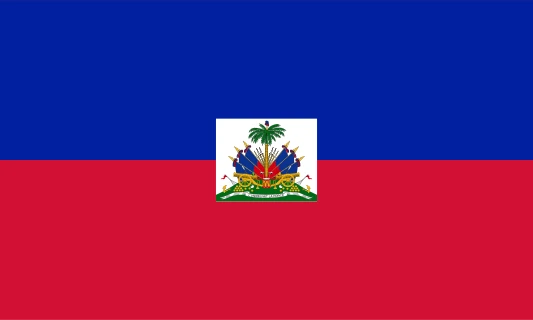
- HaitiHaiti: a palm under the cap of liberty
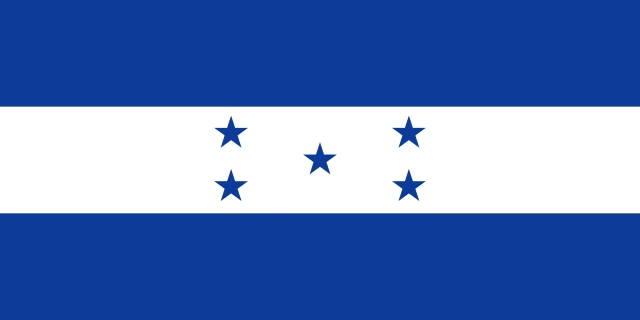
- HondurasHonduras: four stars round a fifth