The flag of Naoero
Micronesia · Yaren
- navy89%
- yellow8%
- white2%
No. 4 for blue. 89% of it is blue.
One plate per main colour.
Tap the flag to put it back together.
Investigation
Naoero: a star below the equator
Naoero’s flag shows where the island is. The yellow line is the equator, and the star sits just below it. Build it up a step at a time from the law that describes it, and count the star’s points.


Naoero’s flag law describes three bands, one above the other. The top one and the bottom one are , and the law says the blue stands for the Pacific Ocean.
The law doesn’t give any shades, and the government’s page just calls the blue navy. This drawing’s colours are the artwork’s own.
The band in the middle is a yellow stripe, and the law says it’s . The government’s page about the flag says it’s there because Naoero is right next to the equator, which is also why it’s so hot.
The law says the blue above the stripe and the blue below it are equal. They’re height, so the stripe runs right along the middle of the flag.
Below the stripe, on the side by the pole, there’s a large white . The law says it shows where the country is in relation to the equator. The government puts the island 42 kilometres south of it.
It isn’t a map drawn to scale, though. The star only shows that the island is south of the line, not how far.
Count them and you’ll find the star has . The law says they stand for “the 12 original tribes of Naoero”.
The law doesn’t say which point stands for which tribe.
The law doesn’t give any sizes. It says the flag is rectangular, but not how long it is for its height, so the ones here are the artwork’s. This drawing is twice as long as it’s high. Its stripe is of the height, and its star is of it across.
The government’s list of the twelve tribes says each one has its own chief, and a child takes its tribe from its mother. Two of them, Iwi and Irutsi, are marked as extinct. The star still has all twelve points.
The law only says the star is on the side by the pole, and doesn’t say why. Britannica gives a reason. It says the star’s place by the pole matches the island being on the western side of the international date line.
Naoero became independent on 31 January 1968, and its Parliament was set up under its constitution that day. Britannica says the flag’s design was chosen in a local competition. The government keeps the day as the anniversary of the return from Truk, and Britannica says 737 Nauruans came home from there on 31 January 1946, after being sent away for forced labour in the war.
The law that protects the flag already had Naoero in its name in 2018. It’s called the Naoero National Anthem, Emblem and Flag Protection Act. The name is on the coat of arms too, and in 2019 the law called it the Nauruan name for Nauru. In May 2026 Parliament put Naoero in place of Nauru in every law, and now the government uses it in English as well.
You’ll find Naoero on these lists
Each one opens the list.
More flags taken apart in Oceania
Each card opens that flag, taken apart step by step.
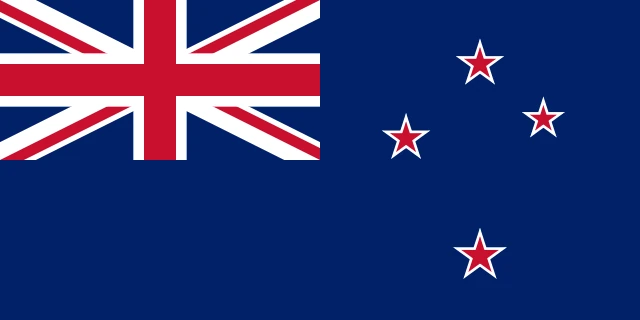
- New ZealandNew Zealand: four stars on royal blue
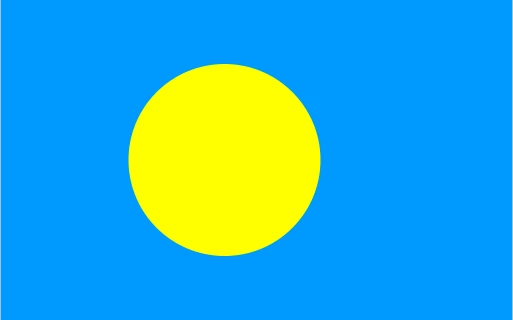
- PalauPalau: a full moon just off the middle
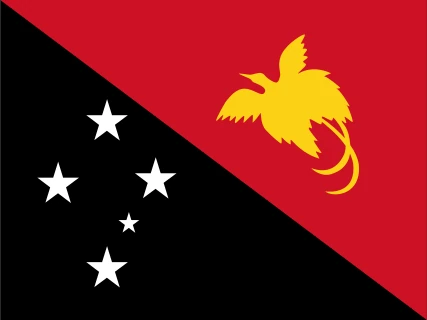
- Papua New GuineaPapua New Guinea: a bird of paradise on a circle
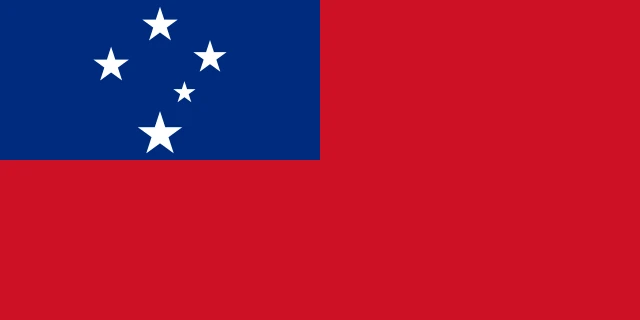
- SamoaSamoa: five stars on a blue quarter
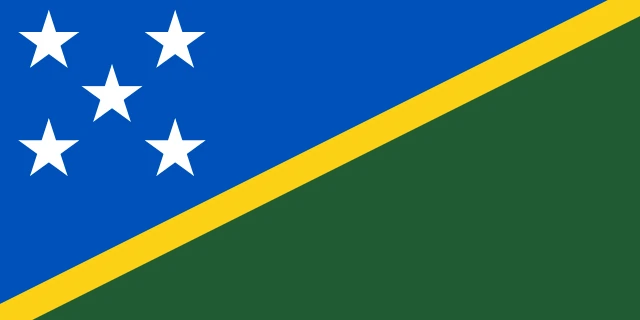
- Solomon IslandsSolomon Islands: five stars that stayed five
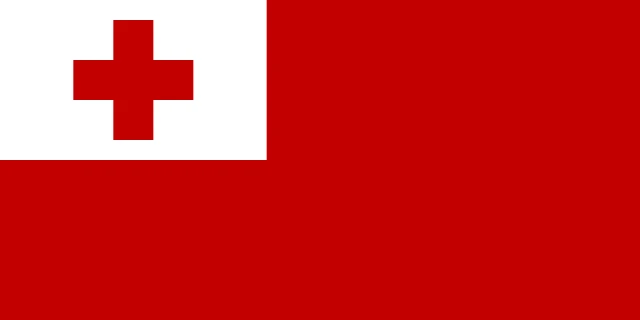
- TongaTonga: a flag never to be altered