The flag of Russia
Eastern Europe · Moscow
- white33%
- navy33%
- red33%
Pan-Slavic. It’s painted in white, blue and red, and no other colour.
One plate per main colour.
Tap the flag to put it back together.
Investigation
Russia: three equal stripes
Russia’s flag law describes its flag in two sentences, three equal stripes and a shape of two by three, and it leaves the shades open. Build the flag from that law a stripe at a time, then see where the Kremlin and the Duma trace it back to, and how it came back in 1991.
Russia’s flag is set by a federal constitutional law from December 2000, which is still in force. Its first article says the flag is a rectangle of three equal horizontal stripes, with at the top.
The law is in Russian. Its description here follows the Kremlin’s own English page, and so do a few words of the history. The rest of the texts on this page are put into English by us.
The goes in the middle. Since the stripes are all the same size, each one takes up a third of the flag.
The goes at the bottom. That’s the whole design, and the law puts a coloured picture of the flag in an appendix as well.
The law gives the flag its shape too. Its width is to its length as is to , so a flag 2 metres wide is 3 metres long. A presidential decree from December 1993 had described the flag in the same words. It said flags in the proportions set before it could still be used until 1 January 1995.
The law names the colours and nothing more. The Kremlin’s website on Russia’s state symbols says it plainly: the law doesn’t set the shades of the or the .
No official text that turned up gives the colours a code, so the stripes here keep this artwork’s own colours, a blue of #0032A0 and a red of #DA291C.
The Kremlin’s site says Russia’s flag was born with the country’s first warships, and until the 19th century it was used mostly as a naval ensign. Peter the Great’s boat had white, blue and red stripes on its sides. In 1693 a squadron of his small ships sailed to the Solovetsky Islands under a flag of equal white, blue and red stripes across.
The Duma tells it a little differently. It says the white, blue and red cloth raised on the ship Oryol in 1668, in the reign of Tsar Alexei Mikhailovich, is considered the historical state flag.
The Kremlin’s site says the flag’s growing use came to a halt in 1858, when an office of the Senate’s heraldry department proposed changing it, and that over almost 150 years the flag changed many times. The Duma says the white, blue and red flag was used right up to 1918. After Emperor Nicholas II gave up the throne, the Provisional Government didn’t approve a new flag. In 1918 Soviet Russia replaced it with a red banner.
In November 1990 a government commission on new state symbols settled the flag quickly and almost without disagreement, the Kremlin’s site says. Russia had a white, blue and red flag more than 300 years old, and it should come back. The Duma says that on 22 August 1991 an emergency session of the Supreme Soviet of the RSFSR resolved that the historical white, blue and red flag would count as Russia’s official national flag. That day it was put up on the highest point of the House of Soviets, the White House.
In 1994 a presidential decree made 22 August the Day of the State Flag, to mark the flag’s return that day in 1991. The rules in the 1993 decree were only meant to last until a law came into force, and that law is dated 25 December 2000. On days of mourning, the law says, a black ribbon as long as the flag is fastened at the top of its staff.
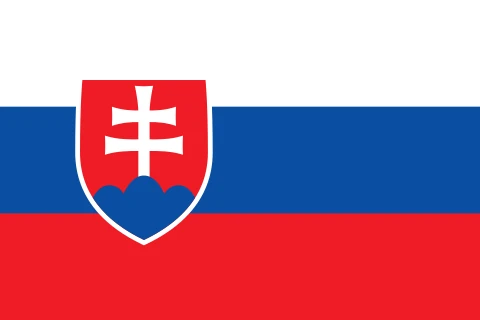
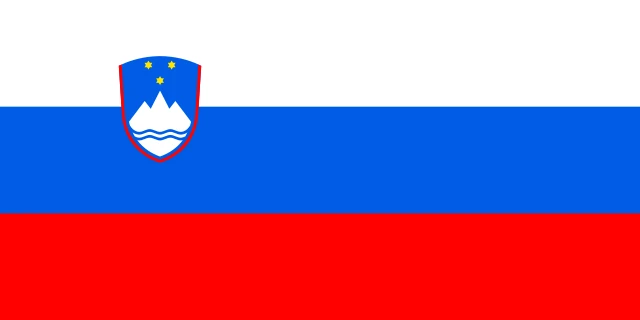
Flags that look like it
You’ll find Russia on these lists
Each one opens the list.
More flags taken apart in Europe
Each card opens that flag, taken apart step by step.