The flag of Mali
Western Africa · Bamako
- green33%
- yellow33%
- red33%
Pan-African. It’s one of the flags in red, gold and green, the same colours as Ethiopia’s.
One plate per main colour.
Tap the flag to put it back together.
Investigation
Mali: the sentence taken out in 1961
Mali’s constitution gives its flag one sentence: three equal vertical bands of green, gold and red. The 1960 constitution had a second one, which put a black ideogram of Man with arms raised to the sky on the gold band. Britannica calls that figure the kanaga. Here’s the flag built from today’s sentence, and the 1961 law that took the second one out.


Mali’s flag is in Article 30 of the Constitution of 22 July 2023. The article calls the flag the national emblem and describes it in a single sentence. That sentence doesn’t say how long the flag is for its height. So this , 3 by 2, is the shape of the artwork we draw from, not the law’s.
The sentence says the flag is a tricolour made of three bands, and that they’re vertical and equal. It even writes the number twice, in words and in figures, as “trois (03)”. So the field splits into three, and each band takes a of its length.
Then it names the colours: green, gold and red. It doesn’t say that’s the order of the bands across the flag, or which side green goes on. The artwork lays them out in that order from the pole, so the first band is , and we follow the artwork.
Read that way, the middle band is . The law’s French word is “or”, which means gold. The sentence never says yellow.
The artwork we draw from paints this band a warm yellow. The law calls the colour gold and gives no shade, so the screen colours on this page are the artwork’s.
Red is the last colour the sentence names, and in the artwork it’s the last band too, so the third band is . That’s all today’s sentence gives the flag: three equal bands side by side, in three colours.
Mali’s constitution of 22 September 1960 described the flag in almost the same words, then went on. Its second sentence put on the band, in black, “l’idéogramme de l’Homme les bras levés vers le ciel”. That’s the ideogram of Man with arms raised to the sky. Britannica calls this figure the kanaga, and says it originated with the Dogon people of Mali.
We haven’t drawn the ideogram. The 1960 text gives it in words, and says no more about where it goes than “on the gold band”. We didn’t find an official drawing of it, so any picture of it would be ours. That’s why this step lights the gold band and nothing else.
On 20 January 1961 Mali’s National Assembly voted Law 61-26, which rewrote that paragraph of the constitution. It quotes the old wording, then gives the wording to read instead, and that’s the first sentence on its own. A decree of 18 February promulgated it, and the official gazette printed it on 1 March 1961. The only ground the law gives is in its preamble, “les nécessités d’Etat”, the needs of the State. It gives no other reason for taking the ideogram out.
Article 30 of the 2023 Constitution describes the flag in almost the words of 1961. It adds that the flag is a tricolour, and writes the number as “trois (03)”. The same article gives the motto, “Un Peuple, Un But, Une Foi”, which means one people, one goal, one faith, and the anthem, “Le Mali”. It leaves the seal and the coat of arms to be set by law.
We read the 1960 and 1961 texts as scans of Mali’s official gazette, and the 2023 Constitution as the gazette printed it on 4 August 2023. We didn’t read the constitutions in between, so we can’t say the flag’s sentence stayed the same all along. The translations from the French are ours.
Flags that look like it
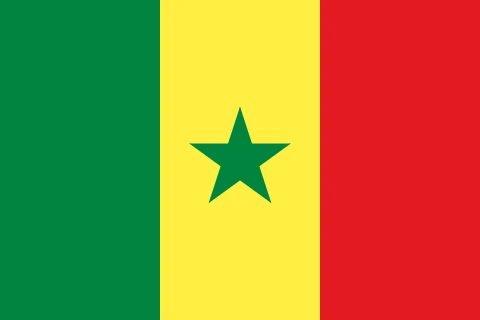
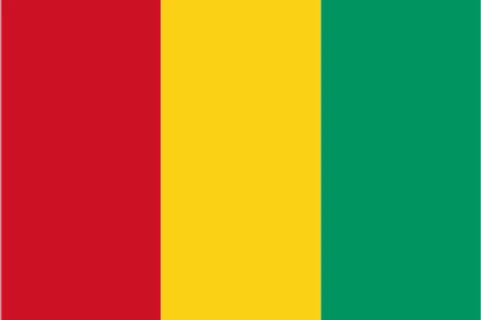
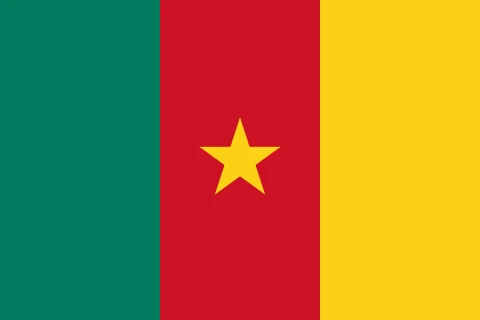
You’ll find Mali on these lists
Each one opens the list.
More flags taken apart in Africa
Each card opens that flag, taken apart step by step.