The flag of Tuvalu
Polynesia · Funafuti
- blue71%
- red9%
- white8%
- navy7%
- yellow3%
Red, gold, blue and white. 8 other flags use just these colours.
One plate per main colour.
Tap the flag to put it back together.
Investigation
Tuvalu: is it a map of the islands?
Britannica says the nine stars on Tuvalu’s flag stand for its islands. Build the flag a step at a time from the law that describes it, then lay the real islands over the stars and see if they make a map.


Tuvalu’s flag law starts with the background, and it says the background is .
The law doesn’t give a shade, so this drawing’s blue is the artwork’s own.
In the top left-hand corner is the , the one the United Kingdom flies. The law says it covers a quarter of the flag. Britannica says it stands for Tuvalu’s links with Britain and the rest of the Commonwealth.
Then come , all yellow. The law says they lie in a slanting band across the right side, starting from the top right-hand corner. Britannica says they stand for the country’s atolls and islands, and the education ministry says Tuvalu has nine islands.
In the law’s own picture, four stars point up and five point down. Its words don’t mention it, and this drawing does the same.
The law gives sizes too. The flag is twice as long as it’s high. The stars cover of it, the right half, and each star is about of the flag across.
The law’s wording is muddled here. It gives width to height as 1 to 2, so the width sounds like the short side, and a twelfth of that would make the stars half this size. The law’s own picture draws them about a twelfth of the long side, and so does this drawing.
No law says the stars are a map, but you can test it. Here are where Tuvalu’s constitution puts them, turned and sized to sit as close to the stars as they can. They only come close with the map turned nearly a quarter of the way round, so points away from the pole. Even then, an island is on average about 8% of the row’s length away from its star.
This test is the Atlas’s own, not Tuvalu’s. Nothing official says which star is which island, so each island gets the star that makes the closest fit. Each island’s place is the middle of the points the constitution lists on its reef.
In 1995 a new law gave Tuvalu a different flag, with no Union flag on it. It had red, white and blue stripes, a white triangle by the pole with the coat of arms, and eight white stars. The law doesn’t say why eight. Tuvalu’s mission to the UN says the country’s name means eight islands. Britannica says the new flag came from people who wanted Tuvalu to become a republic.
The picture here is today’s flag. Britannica says the 1995 flag went up on 1 October, but the law that made it the national flag only came into force on 22 December.
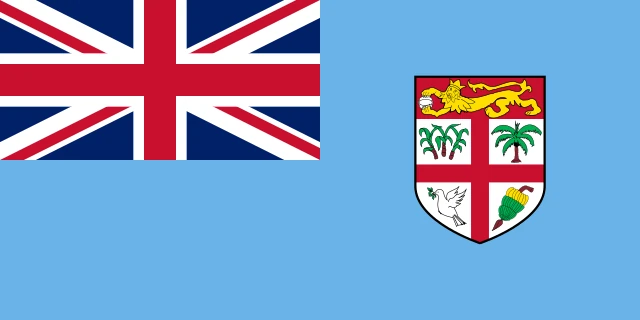
It didn’t last. Another law swapped the old flag back in, and it came into force on 11 April 1997. The note that came with it says it brings back the Independence Flag from 1978. Britannica says that flag was designed by Vione Natano and is similar to Fiji’s, and that people against a republic forced the change back.
The flag law lets a minister make rules for flying the flag, and a set came into force on 1 July 2026. They say it has to fly at schools, police stations and airports, among other places. It goes to half-mast when a prime minister or a member of parliament dies, and a ceremonial flag is then folded and given to their family. Nobody can put it in a logo or an advert without the minister’s written OK.
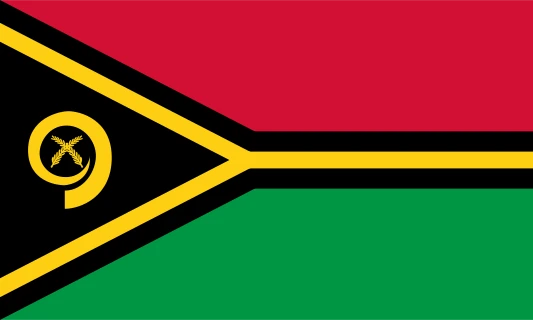
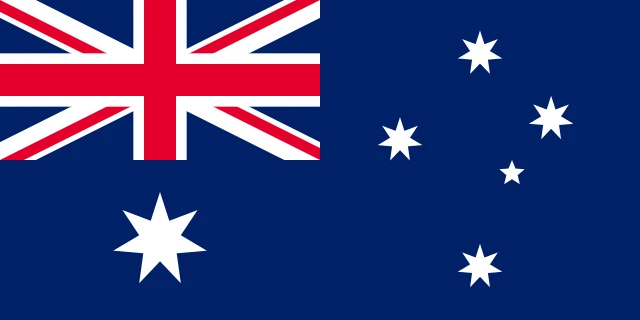
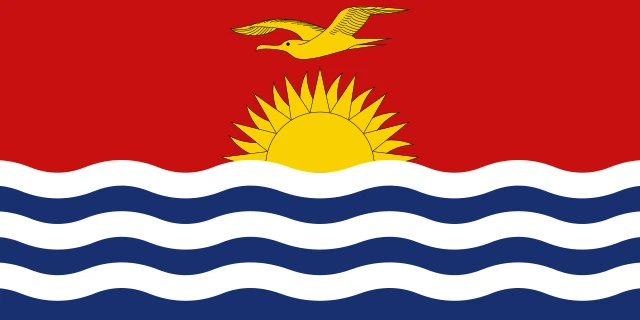
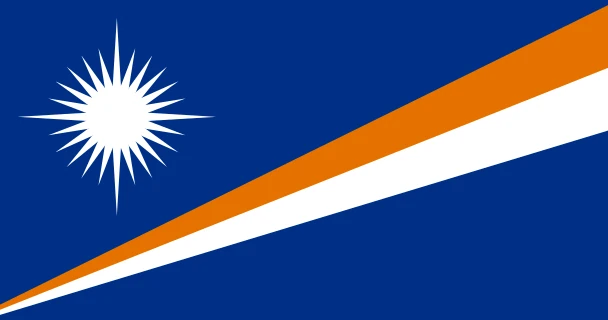
Flags that look like it
You’ll find Tuvalu on these lists
Each one opens the list.
More flags taken apart in Oceania
Each card opens that flag, taken apart step by step.